1. Standards and Codes
INTERNATIONAL STANDARDS: Fire hose in the Philippines generally conforms to the following international standards:
NFPA 1961 (National Fire Protection Association Standard): Specifies material, pressure resistance and testing requirements for fire hose.
ISO 14557 (International Organisation for Standardisation): applies to fire hoses and couplings.
Local Norms: The Bureau of Fire Protection (BFP) of the Philippines may refer to these international standards and develop specific requirements based on local climatic (high temperature, high humidity) and infrastructure conditions.
2. Common Types
Material:
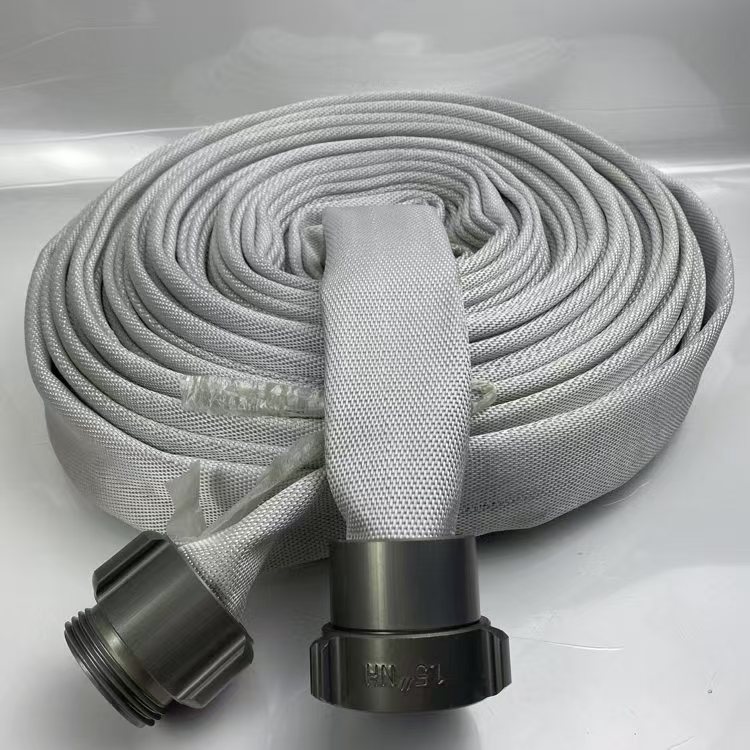
Rubber Fire Hose: Durable, abrasion resistant and suitable for long term use.
PVC fire hose: lightweight, corrosion resistant, suitable for temporary or mobile fire fighting equipment.
Polyurethane coated hose: lightweight, easy to manoeuvre, commonly found on light fire engines.
Diameter:
1.5 inches (38 mm): commonly used for small fire suppression or residential firefighting.
2.5 inches (65 mm): mainstream size for construction and industrial firefighting.
4-5 inches (100-125 mm): used for water mains or large fires.
Pressure Rating:
Working pressure is usually 8-12 bar (116-174 psi), with burst pressure required to be 3-4 times the working pressure.
3. Fitting types
Commonly used fittings in the Philippines:
Storz fittings (quick connect): Internationally available, no threads required for quick operation.
Threaded fittings: may have American Standard (NPT) or British Standard (BS) threads, compatible with local hydrants.
Some old systems may still use localised connectors, so compatibility should be noted. 4.
4. Application Scenarios
Urban Firefighting: 2.5″ hoses are predominantly used with fire trucks and fixed hydrants.
Industrial areas: chemical resistant hoses (e.g. rubber lined) may be required.
Rural/temporary water supply: lightweight PVC hoses or folding hoses are more common.
5. Maintenance requirements:
Periodic pressure testing (at least once a year).
Avoid direct sunlight and chemical corrosion and store in a dry environment.
Thorough cleaning is required after use to prevent mould growth (especially important in hot and humid climates).
6. Challenges and considerations
Climatic impacts: High temperatures and humidity may shorten the life of the hose, UV and mould resistant materials need to be selected.
Infrastructure differences: Some remote areas may use non-standard fittings or low-voltage systems, so check compatibility in advance.
For more specific brand or purchasing information, it is recommended to consult directly with the Bureau of Fire Protection of the Philippines (BFP) or a local fire equipment supplier to ensure compliance with the latest regulations and actual needs.
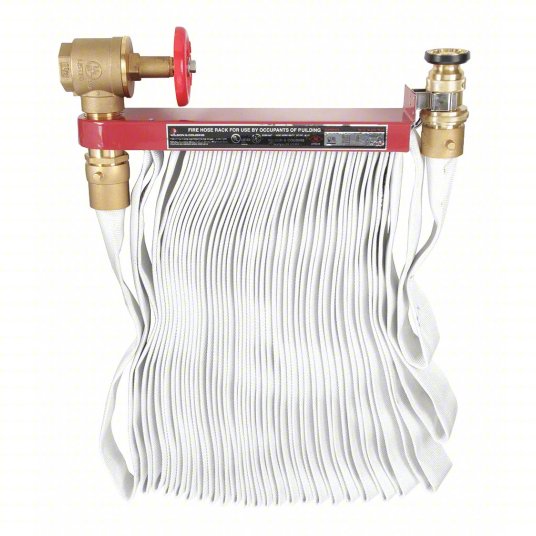
Anite Fire Equipment Co., Ltd. is a professional manufacturer and supplier of fire fighting equipment, we can provide fire hose for Philippine demand, as well as matching fire hydrant, fire hydrant box, fire hoserack, fire hose gun, water distributor and other products, we can also OEM UL, FM products!